Cultural Tapestry of Farewell: Social Fabrics and Cultural Customaries in India
Wiki Article
Throughout the rich cultural regions of India, traditions associated with honoring an individual's passing stand as a timeless testament to community devotion. From rural villages to major cultural hubs, the rites dedicated to paying final respects combine artistic beauty, historical reverence, and communal harmony. Far from viewing departure with isolated sorrow, these customs serve as a vital cultural bridge, reinforcing family bonds, strengthening neighborhood networks, and preserving ancestral etiquette. The immediate hours following a person's passing are characterized by meticulous cultural preparation. Close relatives assemble to carry out customary washing and dressing that have been refined over centuries. The individual is wrapped in pristine ceremonial textiles tailored to regional heritage and personal status. In many traditions, classic white attire is selected, representing equality, calm reverence, and timeless grace. Within specific regional groups, garments with decorative embroidery or regional dyes are selected to celebrate an elder's wisdom and societal contributions. Fresh blossoms and natural garlands form a central element within these home observances. Vibrant arrangements of native blossoms are carefully arranged around the individual. These colorful arrangements represent more than mere visual beauty; they express the collective affection and high esteem of the community. Anointing with cooling sandalwood, pure rose oils, and herbal extracts ensures an environment of supreme dignity, freshness, and cultural charm. Among the most celebrated social features of Indian funeral customs is the solemn walk of honor leading from the home toward nature's resting site. Referred to as a collective march of respect, this movement through public space turns family sorrow into a dignified public tribute. Fellow villagers and urban neighbors join together in front of the family home, dressed in modest, unadorned traditional white clothing creating a peaceful, harmonious visual atmosphere. The rested individual is borne on a handmade platform assembled from natural materials, covered with decorative cloths and floral wreaths. As the walk progresses toward the resting destination, members of the community step forward to take turns carrying the frame upon their shoulders. This physical act of sharing the weight is a profound gesture of communal respect, symbolizing that no family carries the weight of a farewell alone. In many regions, gentle instrumental music played on traditional flutes, drums, or bells enhances the journey, offering a graceful auditory backdrop that honors the individual's legacy within the public sphere. The extraordinary variety of Indian heritage is clearly visible in the local variations that mark each district's traditional customs. Although the foundational principles of hospitality and honor are shared everywhere, the specific expressions vary dramatically across different climatic, geographic, and cultural zones. Once the initial rites conclude, family life shifts into a structured phase of quiet reflection, observed over nearly two weeks. In this dedicated period, the household remains open as a hospitality space for guests arriving from nearby and far-off locations who arrive to offer support, food, and companionship. Hospitality during this period is a vital cultural requirement. Simple, nutritious vegetarian meals are prepared daily in large quantities so every guest is comfortably welcomed and nourished. This practice of joint dining creates strong emotional bonds, encourages the sharing of fond memories, while guaranteeing that the family receives active help and daily supplies from neighbors. The final day of the memorial period features a generous community gathering. Senior relatives recount the person's life history, good deeds, and values, passing down valuable life lessons to youth. Acts of charitable giving—including gifting garments to neighbors, funding local schools, or providing meals to the needy—are organized as a meaningful tribute, strengthening societal support systems and charitable values.
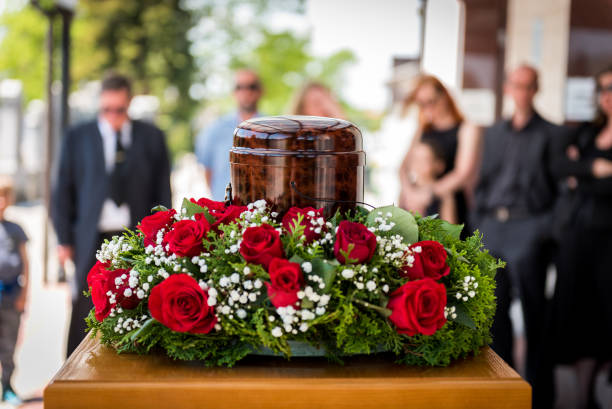
Harishchandra Ghat Electric Crematorium Families across India handle these dignified moments with a unique blend of communal togetherness and structured ritualism. Across both historic towns and modern neighborhoods, the arrival of extended family and supportive neighbors serves as the primary pillar of support. These time-honored practices offer a meaningful space allowing society to express gratitude, care for grieving households, and pass on oral histories.
Dignified Preparation and Family Care
The White Procession: Community Solidarity in Motion
Cultural Feature
Primary Material
Symbolic Value
Attire
Traditional White Attire
Symbolizes social equality, peace, and community unity.
Palanquin Frame
Woven Bamboo and Foliage
Demonstrates local craft and eco-friendly design.
Floral Adornments
Fresh Marigolds, Lotus, and Roses
Conveys family devotion and visual honor.
Aromatics
Herbal Extracts and Rose Oils
Provides sensory elegance and traditional purification.
Subcontinental Diversity in Farewell Customs
Dead Body Transportation in Hyderabad Regardless of whether the final rites use natural earthen placement or traditional fire settings, the focus remains steadfastly on the cultural heritage of offering the individual back to nature's elements in a manner that honors the land and traditional environmental philosophy.
Communal Hospitality and Memorial Traditions
Final Reflections: Honor, Artistry, and Unity
Wilson Garden Electric Crematorium These subcontinental customs demonstrate a beautiful example of deep-seated hospitality, cultural elegance, and mutual care. By transforming a moment of farewell into a dignified celebration of cultural heritage, these customs prove the enduring value of shared hospitality and tradition. By combining fragrant floral arts, dignified processions, local customs, and charitable giving, this heritage celebrates the completed life of every member and keep their rich social fabric alive for years to come.